For nearly a decade, smartphone innovation followed the same formula—larger camera modules, brighter displays, thinner bezels, and folding screens. Every flagship launch revolved around visible hardware changes designed to impress at first glance.
By mid-2026, however, the industry has entered a very different phase.
Instead of focusing on dramatic visual upgrades, manufacturers are investing heavily in what users cannot see: on-device artificial intelligence powered directly by next-generation mobile chips.
With the arrival of the Samsung Galaxy S26 series, powered by Qualcomm’s Snapdragon 8 Elite Gen 5, and the Google Pixel 10 featuring Google’s custom Tensor G5 processor, smartphones have quietly become significantly smarter.
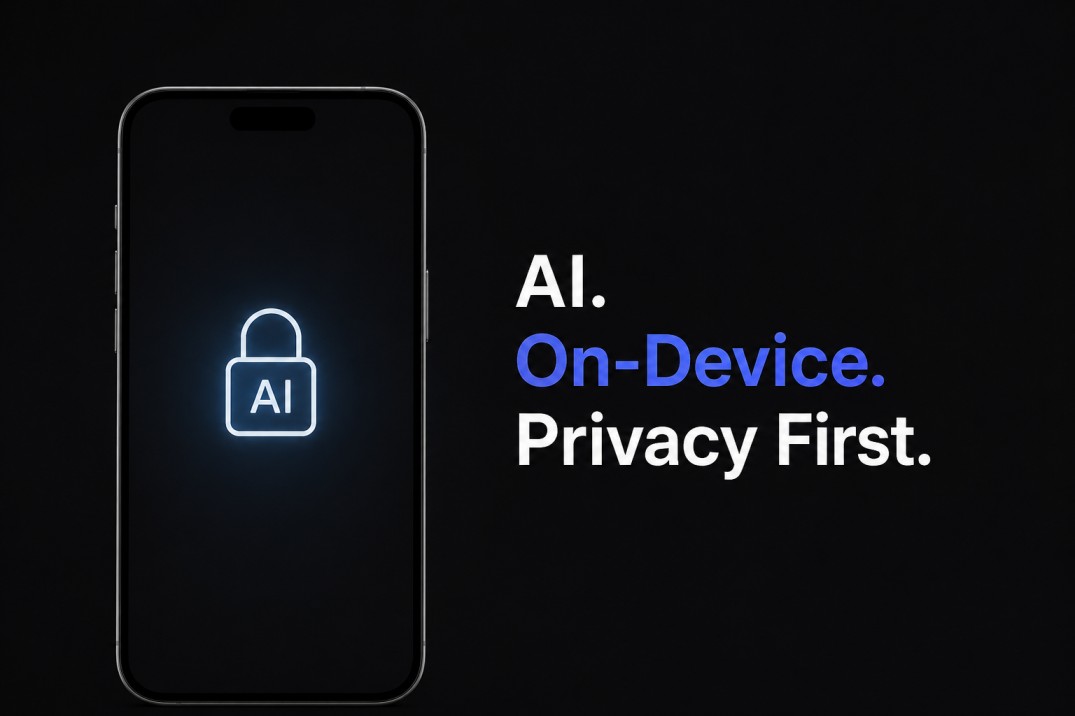
Rather than sending personal information to cloud servers, today’s flagship processors perform complex AI tasks entirely on the device. The result is better privacy, instant responsiveness, and intelligent features that work even without an internet connection.
This is the beginning of the era of Quiet On-Device AI.
Why On-Device AI Matters More Than Ever
For years, AI features depended heavily on cloud computing. Every photo enhancement, voice command, or smart suggestion often required data to travel across the internet before returning to your phone.
That approach created three major limitations:
- Privacy concerns
- Network delays
- No functionality without internet access
Modern flagship chips eliminate these issues by processing AI workloads locally.
Instead of relying on remote servers, your smartphone itself becomes the AI computer.
Benefits include:
- Better privacy
- Instant responses
- Offline functionality
- Lower latency
- Reduced cloud dependency
- Improved battery optimization
Samsung Galaxy S26 Introduces Built-In Privacy Display
One of the biggest quality-of-life improvements of 2026 isn’t a larger display or faster charging.
It’s protecting your screen from people sitting beside you.
Whether you’re entering banking credentials, checking confidential emails, or reading personal messages, shoulder surfing has always been a security concern.
Traditionally, users had to install third-party privacy screen protectors that permanently reduced brightness and viewing angles.
Samsung’s new solution is built directly into the display.
Flex Magic Pixel Technology
Samsung’s new pixel-level privacy system dynamically changes the screen’s viewing angle whenever sensitive content appears.
Instead of using a physical privacy filter, the display itself controls how light is projected.
Traditional Display
==========================
Wide 178° Viewing Angle
Everyone nearby can see.

Flex Magic Privacy
==========================
Narrow 30° Viewing Cone
Visible only to the user.
The transition happens automatically without requiring accessories.
Smart Privacy Features
The system intelligently activates privacy protection based on what you’re doing.
Password Detection
The display automatically narrows viewing angles whenever:
- Password fields appear
- PIN codes are entered
- Pattern unlock is activated
- Banking credentials are typed
App-Based Privacy
Users can choose specific applications that always enable Privacy Display automatically.
Examples include:
- Banking apps
- Password managers
- Messaging apps
- Business communication platforms
Notification Protection
If a private notification appears while showing someone photos or videos, only the notification becomes hidden from side angles.
The rest of the display remains visible.
Maximum Privacy Mode
For airports, cafés, trains, or crowded public places, Samsung also offers a stronger privacy mode.
This narrows the viewing angle even further while slightly reducing screen brightness to ensure nearby people cannot read the display.
Google Pixel 10 Makes You a Better Photographer
While previous AI cameras focused on editing photos after they were captured, Google is taking a different approach in 2026.
Instead of fixing mistakes later, the Pixel 10 helps prevent them before you press the shutter.
Camera Coach
Powered by the new Tensor G5 processor, Camera Coach provides real-time shooting guidance directly inside the camera app.
As you compose a photo, AI continuously analyzes the scene and provides subtle recommendations.
Examples include:
- Straightening the horizon
- Improving composition
- Detecting poor lighting
- Recommending better framing
- Helping maintain subject positioning
Because everything runs locally, there is virtually no delay.
Auto Best Take
Group photos often suffer from blinking faces or awkward expressions.
Instead of uploading images to cloud servers, Tensor G5 processes burst images directly on the phone.
It intelligently combines the best facial expressions into a single natural-looking photo.
No internet connection is required.
Samsung’s ProScaler Makes Photos Look Natural
Samsung is using the upgraded Neural Processing Unit inside Snapdragon 8 Elite Gen 5 to improve image quality without making photos appear artificial.
Previous generations often produced:
- Over-sharpened images
- Plastic-looking skin
- Soft textures
- Aggressive digital noise reduction
ProScaler changes that.
AI Texture Preservation
Instead of smoothing every surface, the AI understands different materials separately.
It preserves:
- Skin texture
- Fabric details
- Hair strands
- Building materials
- Fine text
- Natural landscapes
The result is photographs that appear closer to what your eyes actually saw.
Better Low-Light Photography
Combined with Samsung’s wider camera aperture, the new AI-powered Image Signal Processor performs advanced image reconstruction directly on the phone.
Benefits include:
- Cleaner night photography
- Sharper videos
- Less image noise
- More realistic colors
- Improved dynamic range
Everything happens locally without relying on cloud processing.
Why On-Device AI Is the Future
Both Samsung and Google are moving toward the same philosophy:
The smartest AI is the AI that never leaves your phone.
This approach delivers meaningful improvements in three important areas.
| Feature | Cloud AI | On-Device AI |
|---|---|---|
| Privacy | User data is processed remotely | Data stays entirely on your phone |
| Speed | Depends on internet connection | Instant processing with minimal latency |
| Offline Use | Limited or unavailable | Fully functional without internet |
| Security | Data travels to external servers | Local processing reduces exposure |
| Reliability | Network dependent | Works anywhere, anytime |
Why This Shift Matters
The smartphone industry is no longer competing only through hardware specifications.
Instead, manufacturers are competing through intelligent software powered by increasingly capable processors.
The best innovations are becoming invisible.
Instead of flashy marketing features, users receive practical improvements that quietly make everyday life easier.
Examples include:
- More private displays
- Better photography
- Faster AI responses
- Improved battery efficiency
- Offline intelligence
- Stronger personal data protection
Final Thoughts
The biggest smartphone innovations of 2026 are happening beneath the surface.
Samsung Galaxy S26 and Google Pixel 10 demonstrate that modern mobile AI has matured beyond novelty features and cloud-based gimmicks.
By processing intelligence directly on the device, these smartphones deliver faster performance, stronger privacy, and a more seamless user experience.
Whether it’s preventing strangers from viewing your banking information or helping capture the perfect photograph without an internet connection, on-device AI represents a smarter direction for the entire smartphone industry.
As mobile processors continue to evolve, expect future flagship devices to become even more intelligent—not because they do more, but because they quietly do the right things at exactly the right moment.
Frequently Asked Questions (FAQ)
On-device AI processes artificial intelligence tasks directly on your smartphone instead of sending information to cloud servers. This improves privacy, speed, and offline functionality.
On-device AI offers faster responses, keeps personal data on your device, works without internet access, and reduces dependence on remote servers.
Samsung’s Privacy Display uses pixel-level technology to reduce screen visibility from side angles, helping protect sensitive information in public places.
Camera Coach is an AI-powered photography assistant that provides real-time suggestions while composing a photo, helping users capture better images before pressing the shutter button.
Not entirely. Cloud AI remains useful for large-scale processing, but most everyday smartphone tasks are increasingly moving to local, on-device processing for better privacy and performance.
For more information about Sony Stopping PS 5 to be Disc Edition