Introduction
Samsung and Google are bringing AI closer to everyday life with their new Intelligent Eyewear, developed in collaboration with eyewear brands Warby Parker and Gentle Monster.
Pre-orders for Warby Parker’s first Intelligent Eyewear collection open today, November 12, 2026. The glasses combine Samsung’s hardware engineering, Google’s Android XR platform and Gemini AI in a familiar eyewear design.
Unlike smart glasses that rely on an in-lens display, this first generation focuses on voice assistance, built-in cameras and private audio. As a result, users can ask Gemini questions about their surroundings, get navigation help, translate conversations, capture photos and manage everyday tasks without taking out their phones.
The glasses are expected to launch in December 2026 in select markets. However, Samsung and its partners have not announced official pricing or Nepal availability yet.
Overview
What are Samsung and Google’s AI Smart Glasses?
Samsung Intelligent Eyewear is a pair of AI-powered glasses designed to work as a companion device to a smartphone.
The glasses run on Google’s Android XR platform and integrate Gemini AI. Samsung handles the hardware, while Google provides the software platform and AI experience. Meanwhile, Warby Parker and Gentle Monster contribute the eyewear designs.
The first generation is audio-first and does not include an in-lens display. Instead, users interact with Gemini through voice commands and touch controls on the frame.
Who are they for?
The glasses are designed for:
- People who want hands-free AI assistance
- Travellers who need translation and navigation
- Users who frequently take photos
- Professionals who want quick access to information
- Android and iPhone users interested in smart eyewear
- People who prefer traditional-looking glasses over bulky headsets
Why do they matter?
Smart glasses are becoming another way to interact with AI. Instead of opening an app and typing a question, users can simply ask Gemini about something they are looking at.
Consequently, AI assistance becomes more immediate and hands-free. Moreover, Samsung and Google are entering a growing smart-glasses market that already includes products such as Meta’s Ray-Ban smart glasses.
Samsung Intelligent Eyewear Specifications
| Feature | Details |
|---|---|
| Product Type | AI Smart Glasses |
| Platform | Android XR |
| AI Assistant | Google Gemini |
| Processor Platform | Qualcomm Snapdragon AR1 Gen1 |
| Display | No built-in display |
| Camera | Built-in camera |
| Audio | Private audio speakers |
| Controls | Voice commands and touch interaction |
| Battery Life | Up to 9 hours |
| Charging Case | Up to 7 additional full charges |
| Connectivity | Bluetooth and Wi-Fi |
| Compatible Phones | Android and iOS |
| Eyewear Partners | Warby Parker and Gentle Monster |
| Navigation | Gemini-powered assistance |
| Translation | Real-time speech and text translation |
| Nepal Price | Not announced |
Specifications are based on Samsung and Google’s published information. However, the companies have not confirmed camera resolution, weight and several other hardware details.
Gemini AI Integration
Gemini is the main attraction of Samsung Intelligent Eyewear.
Users can activate the assistant by saying “Hey Google” or tapping the side of the frame. After activation, they can ask questions, request help or interact with compatible phone apps.
Ask Gemini About What You See
The built-in camera gives Gemini visual context.
For example, users can ask about a restaurant they are passing, identify something in front of them or understand a confusing sign. Gemini can then use the camera’s view to provide relevant answers.
Hands-Free Navigation
The glasses also offer navigation assistance.
Users can ask Gemini for directions and receive turn-by-turn guidance through the glasses’ audio system. Additionally, they can request nearby recommendations, such as restaurants and coffee shops.
Manage Messages and Calls
Users can also manage supported communication features without reaching for their phones.
These features include:
- Handling calls
- Sending messages
- Hearing summaries of missed messages
- Receiving spoken notifications
- Accessing compatible phone apps through voice commands
AI-Powered Tasks
Gemini can also help with tasks involving supported apps and services.
For instance, users may ask it to find a nearby restaurant or prepare an order through a compatible service. However, some tasks may still require confirmation on the connected phone.
Real-Time Translation
Translation is another important feature of the new smart glasses.
Gemini can translate spoken conversations and provide audio translations. Furthermore, Google has demonstrated the ability to translate written text, including menus and signs, in the user’s line of sight.
This feature could prove useful when travelling, communicating with people who speak different languages or reading unfamiliar signs.
However, translation availability may depend on supported languages, regions, apps and network connections.
Built-In Camera and Photo Capture
Samsung Intelligent Eyewear includes a built-in camera that allows users to capture what they see.
Instead of taking out a smartphone, users can use voice commands to take photos and access supported camera features.
Google has also demonstrated Gemini working with its Nano Banana image-editing technology. For example, users can request changes to captured images, such as removing background distractions.
However, Samsung has not yet published the camera’s official resolution. Therefore, detailed image-quality comparisons will have to wait until the company releases more specifications.
Design: Warby Parker and Gentle Monster
Samsung and Google are working with two eyewear brands to make the glasses look like everyday accessories.
Gentle Monster Edition
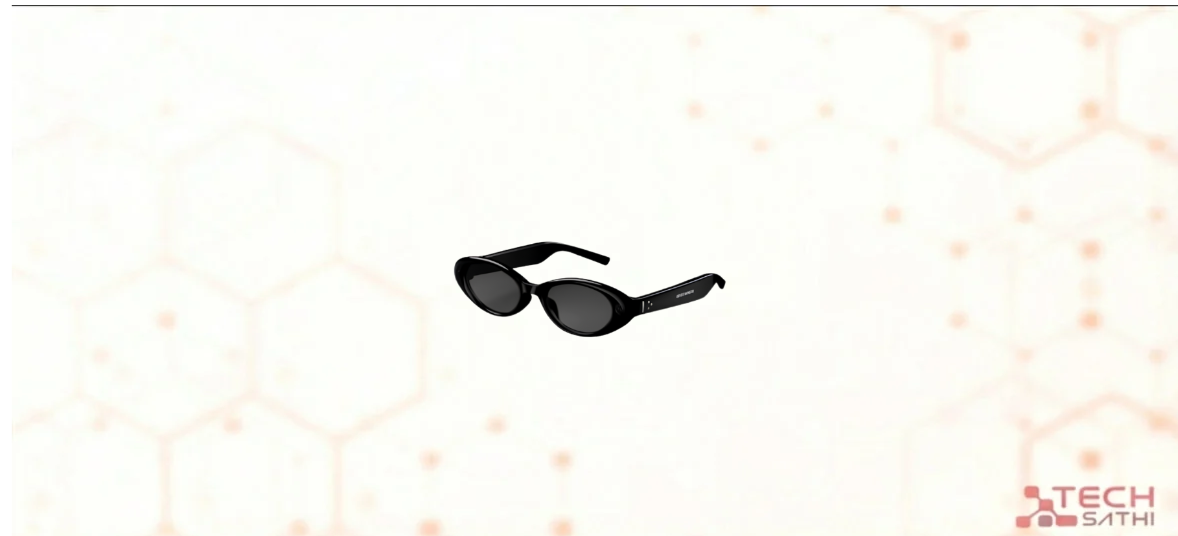
Gentle Monster brings a more fashion-focused design. Its first preview features a slim black frame with a modern silhouette.
The collaboration combines the brand’s distinctive eyewear styling with Samsung’s hardware and Google’s AI technology.
Warby Parker Edition
Warby Parker takes a more classic approach, with designs that look like familiar everyday glasses.
Moreover, the partnership gives the product access to an established eyewear brand and its retail presence.
Both collaborations matter because smart glasses need to feel comfortable and look natural throughout the day. Technical features alone cannot make them successful as everyday accessories.
Battery Life
Battery life is particularly important for a device that users may wear for several hours.
Samsung rates Intelligent Eyewear for up to nine hours of active use on a single charge. Additionally, the charging case can provide up to seven more full charges.
However, actual battery life will depend on usage, network conditions and settings. Frequent camera use, Gemini interactions and other connected features may reduce runtime.
Android XR and Smartphone Compatibility
The glasses use Google’s Android XR platform, which connects Gemini with the hardware and compatible smartphone apps.
Google says the audio glasses can pair with both Android and iOS phones. Therefore, users do not necessarily need a Samsung Galaxy smartphone to access the basic experience.
However, Samsung has highlighted additional Galaxy ecosystem features. As a result, some functions may require a compatible Galaxy device or other supported Galaxy products.
Privacy and Recording Indicators
Camera-equipped smart glasses raise important privacy questions, particularly when users capture photos or videos around other people.
Samsung says the glasses include several privacy safeguards. For example, wear detection automatically disables recording when users remove the glasses. Another safeguard stops recording if someone blocks the external recording indicator.
Samsung has also stated that it does not use audio, video and screen-sharing data to train AI models.
Nevertheless, users should follow local privacy laws and respect other people’s consent when recording or sharing content.
Samsung Intelligent Eyewear vs. Traditional Smart Glasses
The first-generation Samsung glasses focus on AI assistance rather than displaying information directly in front of the user’s eyes.
| Feature | Samsung Intelligent Eyewear |
|---|---|
| Main Purpose | Hands-free AI assistance |
| AI Assistant | Gemini |
| Camera | Yes |
| In-Lens Display | No |
| Audio | Built-in speakers |
| Navigation | Voice-guided assistance |
| Translation | Real-time translation features |
| Phone Requirement | Connected Android or iOS phone |
| Platform | Android XR |
Google has also discussed a separate category of display-based intelligent eyewear. Those glasses aim to show information visually. However, the first audio-focused collection does not include an in-lens display.
Pros and Cons
Pros
- Google Gemini integration
- Android XR platform
- Built-in camera
- Hands-free voice assistance
- Real-time translation features
- Navigation assistance
- Private audio speakers
- Up to 9 hours of active use
- Charging case with additional charges
- Warby Parker and Gentle Monster frame designs
- Compatible with Android and iOS phones
Cons
- No in-lens display
- Camera resolution has not been announced
- Official pricing is not available yet
- Some features may require a compatible Galaxy phone
- AI functions depend on connectivity and supported services
- Nepal availability has not been confirmed
Samsung AI Smart Glasses Pre-Orders, Price and Availability
Pre-Orders
Pre-orders for Warby Parker’s Intelligent Eyewear collection open on November 12, 2026.
The collection brings together Warby Parker, Samsung and Google. Meanwhile, Gentle Monster is also a design partner, although its separate ordering and regional availability details have not been confirmed.
Price in Nepal
| Product | Price in Nepal |
|---|---|
| Samsung Intelligent Eyewear | To be announced |
Samsung, Google and the eyewear partners have not confirmed an official Nepal price.
The final local price will depend on international pricing, import costs, taxes and retailer availability. Therefore, buyers in Nepal will have to wait for an official local announcement.
Global Availability
The first collections are expected to launch in December 2026, with initial availability in select markets.
Warby Parker expects to deliver customer orders during the holiday season. However, buyers outside the initial markets, including Nepal, may have to wait for further availability announcements.
FAQ
When do Samsung and Google’s AI smart glasses open for pre-orders?
Pre-orders for Warby Parker’s Intelligent Eyewear collection open on November 12, 2026. However, buyers should check each eyewear brand for its collection’s ordering details.
Do Samsung’s smart glasses have Gemini AI?
Yes. The glasses integrate Google’s Gemini AI through the Android XR platform.
Do Samsung Intelligent Eyewear glasses have a display?
No. The first generation is audio-first and does not include an in-lens display.
Can the glasses translate languages?
Yes. They support real-time translation features for speech and written text, subject to supported languages and regional availability.
How long does the battery last?
Samsung rates the glasses for up to nine hours of active use. Additionally, the charging case provides up to seven more full charges.
Do the glasses work with iPhones?
Yes. Google says the glasses can pair with both Android and iOS phones. However, some additional features may require a compatible Galaxy device.
Who is making the frames?
Samsung and Google are working with Warby Parker and Gentle Monster on the eyewear designs.
What is the price of Samsung AI smart glasses in Nepal?
The official Nepal price has not been announced yet.
Final Verdict
Samsung and Google’s Intelligent Eyewear brings Gemini AI into a familiar everyday product. With a built-in camera, voice assistance, navigation, translation and private audio, the glasses aim to make AI more accessible without requiring users to constantly look at their phones.
Moreover, the collaborations with Warby Parker and Gentle Monster put a strong focus on design and everyday wearability.
However, the first generation is not an augmented-reality display product. Instead, it is an audio-first pair of AI glasses. Its real-world usefulness will depend on comfort, battery performance, camera quality and how well Gemini works with supported apps.
For now, the November 12 pre-order opening marks an important step towards the wider launch expected in December 2026. Nevertheless, Nepal pricing and availability remain unconfirmed.