Introduction
Samsung is changing the way its wireless earbuds sit on your ears.
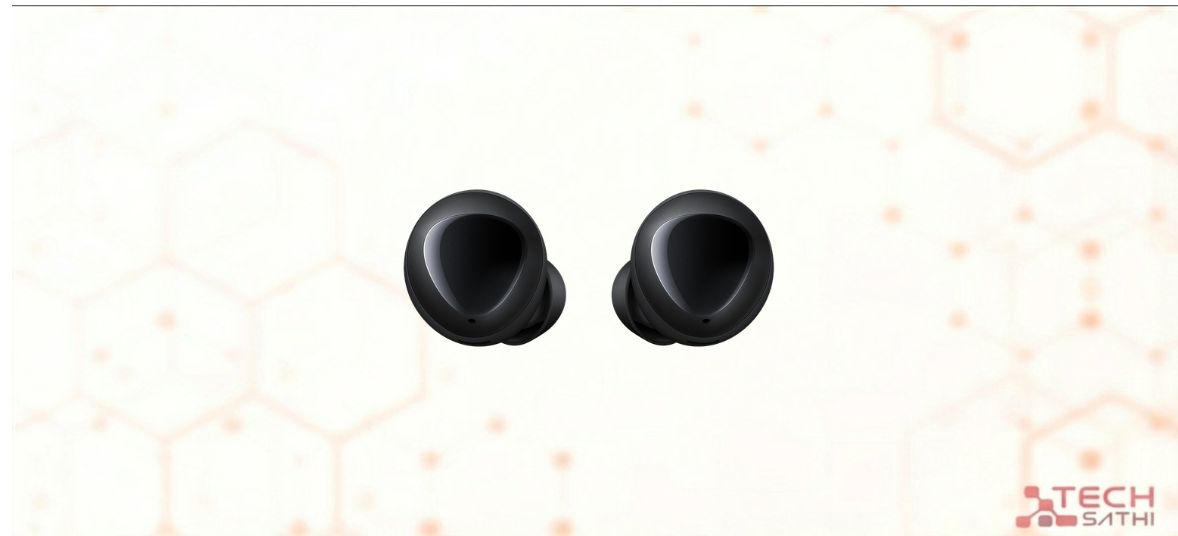
The new Samsung Galaxy Buds On comes with a clip-on, open-ear design instead of the traditional in-ear fit. It sits around the outer ear and leaves the ear canal open. As a result, users can listen to music while staying more aware of their surroundings.
Samsung has also added AI-powered features, Gemini Live support, head gestures and a voice memo function. The earbuds offer up to 9.5 hours of continuous music playback on a single charge.
Samsung unveiled the Galaxy Buds On on October 1, 2026. It will first launch in South Korea on October 27 at KRW 299,000, with a global rollout planned later.
Samsung Galaxy Buds On Overview
What is the Galaxy Buds On?
The Galaxy Buds On is Samsung’s first clip-on wireless earbud. Instead of going inside the ear canal, it attaches around the outer ear.
This open-ear approach makes it suitable for walking, running and outdoor activities. You can listen to audio while still hearing traffic, conversations and other sounds around you.
Who is it for?
The Galaxy Buds On could be a good option for:
- Runners and outdoor users
- People who dislike in-ear earbuds
- Users who want more awareness of their surroundings
- Samsung Galaxy users who want hands-free AI controls
- People who take frequent calls outdoors
- Users looking for a different earbud design
Why does it matter?
Samsung is entering the growing open-ear earbud category with a product that combines an unusual physical design with Galaxy AI.
The company has also worked on the main problems associated with open-ear earbuds, including sound leakage, bass performance and call clarity.
Samsung Galaxy Buds On Specifications
| Specification | Galaxy Buds On |
|---|---|
| Design | Clip-on open-ear |
| Speaker | TwinBoost Speaker |
| Audio Platform | Snapdragon S7 Gen 1 Sound Platform |
| Amplifier | Class-D |
| Microphones | 3 |
| Voice Pickup | Bone-conduction Voice Pickup Unit Sensor |
| Call Technology | Intelligent Clear Call |
| Audio Leakage | Audio Leakage Reduction |
| Battery Life | Up to 9.5 hours |
| AI Features | Gemini Live, Quick Voice Memo, Head Gestures |
| Controls | Rear touch controls |
| Connectivity | Wireless Bluetooth |
| Color | Black |
| Launch Price | KRW 299,000 |
| First Launch | South Korea |
| Sale Date | October 27, 2026 |
Samsung confirms the Snapdragon S7 Gen 1 Sound Platform, TwinBoost speakers, three microphones, Voice Pickup Unit sensor and up to 9.5 hours of playback.
Clip-On Open-Ear Design
The biggest change is the design.
The Galaxy Buds On does not sit inside the ear canal. Instead, a flexible band wraps around the outer ear and keeps the speaker and battery positioned in place.
Samsung says it studied different ear shapes and used simulations to optimize the position of the speakers and battery. It also widened the contact area to spread pressure more evenly.
This makes the Buds On different from the Galaxy Buds4 and Buds4 Pro.
The open design can also be useful outdoors. You can listen to music while remaining aware of what is happening around you.
TwinBoost Speakers Aim to Improve Bass
Open-ear earbuds usually face one major challenge.
They do not create the same seal as traditional in-ear earbuds. That can affect bass and overall immersion.
Samsung addresses this with its TwinBoost Speaker system.
The speakers are designed to improve low-frequency performance. Samsung has also added automatic volume adjustment that changes the playback level based on the surrounding environment.
So, when the environment gets louder, the earbuds can adjust the volume without requiring constant manual changes.
Audio Leakage Reduction
Sound leakage is another common issue with open-ear earbuds.
Because the speaker sits outside the ear canal, nearby people may hear some of your music.
Samsung’s solution is Audio Leakage Reduction technology. It is designed to reduce the amount of sound escaping from the earbuds.
This could make the Galaxy Buds On more practical in places such as cafes, libraries and offices.
However, Samsung notes that some leakage can still occur depending on volume, ear shape, surrounding noise and how the earbuds fit.
Snapdragon S7 Gen 1 Sound Platform
The Galaxy Buds On uses Qualcomm’s Snapdragon S7 Gen 1 Sound Platform.
Samsung pairs it with a Class-D amplifier to help optimize power consumption while delivering audio performance.
This combination also contributes to the earbuds’ claimed 9.5-hour continuous music playback.
For an open-ear product, that battery figure is one of the most interesting specifications.
Clearer Calls With Three Microphones
Samsung has not ignored call quality.
The Galaxy Buds On uses three microphones along with a bone-conduction-based Voice Pickup Unit sensor.
The sensor detects vibrations created when you speak. Samsung then uses machine learning to separate your voice from surrounding noise.
The company says this setup is designed to improve calls in challenging environments, including strong wind outdoors and noisy indoor situations.
Gemini Live and Galaxy AI
The Galaxy Buds On also brings AI closer to the user’s ears.
When connected to a compatible Galaxy AI smartphone or tablet, users can access Gemini Live through voice commands.
Samsung says users can say, “Hey Google, let’s talk live,” to start a Gemini Live conversation without reaching for their phone.
This could be useful while walking, working or when your hands are occupied.
Quick Voice Memo
Another useful feature is Quick Voice Memo.
Users can press and hold the touch area on the back of the earbuds and start recording a voice memo.
Those recordings can later be searched through Bixby without needing to manually search through the phone.
The feature requires a compatible Galaxy AI device, Samsung Voice Recorder and Bixby apps.
For students, creators and professionals, this could be useful for quickly saving ideas.
Head Gestures
Samsung has also added hands-free controls.
The Galaxy Buds On can recognize certain head movements.
For example, users can nod or shake their head to answer or end calls. The gestures can also help dismiss alarms and interact with notifications.
This makes the earbuds more convenient when your hands are busy.
Performance
Audio Performance
The TwinBoost speakers focus on improving low-frequency output, while Audio Leakage Reduction attempts to solve one of the biggest problems with open-ear earbuds.
However, the Buds On is designed for awareness rather than maximum isolation.
If you want deep isolation and strong passive noise blocking, traditional in-ear earbuds may still be a better choice.
Call Performance
Three microphones, a Voice Pickup Unit sensor and machine-learning processing work together for clearer voice pickup.
This should make the Buds On particularly useful for outdoor calls.
Battery Life
Samsung claims up to 9.5 hours of continuous music playback on a single charge.
That is a strong figure for users who want earbuds for long walks, work sessions or daily listening.
Samsung Galaxy Buds On vs Traditional Galaxy Buds
| Feature | Galaxy Buds On | Traditional In-Ear Buds |
|---|---|---|
| Fit | Clip-on open-ear | In-ear |
| Ear Canal | Open | Partially sealed |
| Awareness | High | Lower |
| Isolation | Limited | Better |
| Bass | TwinBoost system | Stronger with sealed fit |
| Outdoor Use | Excellent | Good |
| AI Features | Yes | Depends on model |
| Best For | Running, walking, calls | Music, travel, immersive listening |
The Galaxy Buds On is not simply a replacement for Samsung’s traditional earbuds.
Instead, it targets a different type of user.
Pros and Cons
Pros
- Unique clip-on open-ear design
- Up to 9.5 hours of playback
- TwinBoost speakers
- Audio Leakage Reduction
- Automatic volume adjustment
- Three microphones
- Bone-conduction voice pickup
- Gemini Live support
- Head gesture controls
- Quick Voice Memo
- Good awareness of surroundings
Cons
- No traditional in-ear isolation
- Sound leakage can still occur
- Global pricing is not announced
- Only Black is confirmed at launch
- Some AI features require compatible Galaxy devices
Price and Availability
Samsung Galaxy Buds On will launch first in South Korea on October 27, 2026.
Samsung has set the price at KRW 299,000, which is roughly equivalent to US$220 based on current conversion estimates. The company says the earbuds will reach global markets later, but it has not announced specific international pricing or launch dates yet.
For Nepal, the Galaxy Buds On could be priced around NPR 40,000–45,000 if officially or through authorized import channels. This is only an estimate and should not be treated as official Nepal pricing.
FAQ
Samsung Galaxy Buds On are the company’s first clip-on, open-ear wireless earbuds. They sit around the outer ear instead of entering the ear canal.
Samsung claims up to 9.5 hours of continuous music playback on a single charge.
Yes. Compatible Galaxy AI smartphones and tablets can use Gemini Live through the Galaxy Buds On.
The South Korean launch price is KRW 299,000. International and Nepal pricing has not yet been announced.
The Galaxy Buds On will go on sale in South Korea on October 27, 2026. Samsung plans a phased global rollout afterward.
Samsung has not announced Nepal availability yet. A Nepal launch date and official price are still pending.
Final Verdict
The Samsung Galaxy Buds On is one of Samsung’s most unusual earbud designs yet.
Instead of focusing only on noise isolation, Samsung is targeting comfort, awareness and hands-free interaction. The clip-on design keeps the ear canal open, while TwinBoost speakers and Audio Leakage Reduction attempt to solve the main weaknesses of open-ear earbuds.
The AI features make the product even more interesting. Gemini Live, Quick Voice Memo and head gestures turn the earbuds into more than just an audio accessory.
For runners, commuters and users who want to stay aware of their surroundings, the Galaxy Buds On could be an interesting alternative to traditional Galaxy Buds.
Also read: