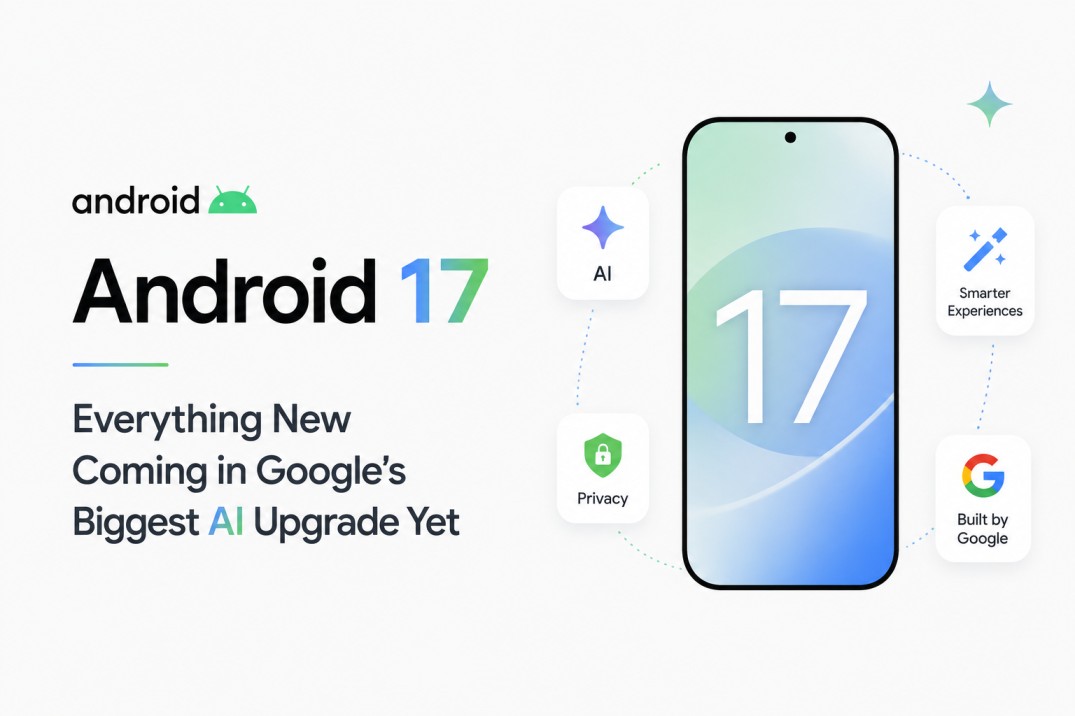
Google is preparing to launch Android 17, and early previews suggest it could become one of the most important Android updates in recent years. The new operating system is expected to focus heavily on artificial intelligence, advanced security, improved multitasking, foldable optimization, battery efficiency, and a major visual redesign powered by Google’s evolving Material 3 Expressive language.
As competition in the smartphone industry intensifies, Android 17 appears designed to position Google ahead in the growing AI race against Apple, Samsung, and other smartphone makers. From Gemini-powered features to enhanced privacy protections and smarter system-wide automation, Android 17 could redefine the Android experience for millions of users worldwide.
Android 17 Release Date
Google has already started developer previews and beta testing for Android 17 across supported Pixel devices. Based on Google’s typical Android release schedule, the stable version of Android 17 is expected to officially launch around June 2026.
The rollout will likely begin with Google Pixel smartphones before expanding to Samsung Galaxy devices, Xiaomi phones, OnePlus models, Oppo smartphones, Vivo devices, and other Android brands later in the year.
Google is also expected to showcase more Android 17 features during Google I/O 2026.
Gemini AI Becomes the Core of Android 17
Artificial intelligence is the biggest focus of Android 17. Google is reportedly integrating Gemini Intelligence directly into the operating system, allowing AI to work deeply across apps, settings, messaging, productivity tools, and smart device controls.
The new AI-powered system is expected to introduce several advanced features including:
- Cross-app AI actions
- Smart voice commands
- AI-generated text summaries
- Automatic message suggestions
- Intelligent notification prioritization
- Real-time translation improvements
- AI-powered image editing
- Smarter search across the device
- Personalized app recommendations
- Natural language widget creation
Users may reportedly be able to perform complex actions using simple voice prompts. For example, it could allow users to summarize emails, schedule events, send messages, edit photos, and search files using conversational AI commands powered by Gemini.
Google is also working on a new speech recognition system that can remove filler words, improve transcription accuracy, and better understand multilingual conversations in real time.
This deeper Gemini integration signals Google’s long-term vision of turning Android into an AI-first operating system rather than simply a smartphone platform.
Android 17 Introduces Material 3 Expressive Design
Google is also redesigning large parts of Android’s interface through its new Material 3 Expressive design language.
The updated design reportedly focuses on creating a more fluid, modern, and visually dynamic experience.
Expected design improvements include:
- Smoother animations
- New transition effects
- Adaptive color themes
- Refreshed icon shapes
- Better lock screen customization
- Dynamic widgets
- Blur and depth effects
- Improved quick settings layout
- Enhanced multitasking visuals
- Better large-screen UI scaling
Google appears to be optimizing Android 17 not only for traditional smartphones but also for foldables, tablets, and future AI-powered devices.
Android 17 Improves Foldable Phones and Tablets
Foldable smartphones are becoming increasingly important in the Android ecosystem, and it is expected to significantly improve large-screen support.
Google is reportedly introducing:
- Better split-screen multitasking
- Improved app continuity
- Enhanced drag-and-drop support
- Smarter orientation handling
- Desktop-style productivity mode
- Floating multitasking windows
- Optimized foldable animations
- Better keyboard scaling for tablets
- Enhanced stylus support
Android 17 may also require developers to better optimize apps for larger displays, helping eliminate stretched or poorly scaled applications on foldable devices.
This move aligns with Google’s increasing focus on Pixel Fold devices and Samsung’s Galaxy Z Fold series.
Android 17 Security and Privacy Features
Security is another major priority in Android 17.
Google is reportedly introducing advanced AI-powered security tools designed to better protect users from scams, malware, phishing attacks, and stolen device threats.
Expected security upgrades include:
- AI scam call detection
- Real-time malware monitoring
- Enhanced phishing protection
- Smarter app permission controls
- Stronger biometric security
- Better theft protection tools
- Secure app sandboxing
- Safer APK installation scanning
- Improved encrypted backups
- Enhanced privacy dashboard
Google is also reportedly improving stolen phone protections by adding remote biometric locking and more advanced authentication systems.
These changes are designed to make Android devices more secure against modern cyber threats.
Android 17 Battery and Performance Improvements
Android 17 is expected to improve system performance and battery efficiency through smarter AI resource management.
Rumored improvements include:
- Adaptive background app control
- Better thermal management
- Faster app launch speeds
- Reduced battery drain
- Improved standby efficiency
- AI-based power optimization
- Smarter charging management
- Better RAM handling
- Improved gaming optimization
Google may also continue optimizing Android for next-generation AI chipsets with stronger Neural Processing Units (NPUs).
Android 17 Gaming and Multimedia Enhancements
Expected features include:
- Better ray tracing support
- Improved frame rate stability
- Reduced gaming latency
- Enhanced controller compatibility
- Smarter game optimization tools
- Improved HDR video playback
- Better spatial audio support
- AI-powered graphics scaling
Android 17 may also improve creator-focused tools for mobile photography, video editing, and content creation.
Android Auto and Cross-Device Integration
Google is reportedly improving Android’s ecosystem connectivity with stronger cross-device integration.
New Android Auto upgrades may include:
- Gemini AI integration in cars
- Adaptive dashboard layouts
- Improved navigation interface
- Better voice assistant performance
- Enhanced media controls
It is also expected to expand Quick Share compatibility for easier file sharing across Android devices, Chromebooks, tablets, and possibly iPhones.
Supported Devices for Android 17
The first devices expected to receive the upgrades include:
- Google Pixel 9 series
- Google Pixel Fold devices
- Samsung Galaxy S26 series
- Samsung Galaxy Z Fold 8
- Samsung Galaxy Z Flip 8
- Xiaomi flagship phones
- OnePlus flagship devices
- Oppo premium smartphones
- Vivo flagship models
- Honor premium devices
Mid-range phones from several brands are also expected to receive Android 17 later through custom skins like One UI, HyperOS, OxygenOS, and ColorOS.
Final Thoughts
Android 17 is shaping up to be one of Google’s most ambitious releases yet. Instead of delivering only visual improvements, Google appears focused on transforming Android into a deeply integrated AI-powered operating system.
With Gemini Intelligence, advanced security protections, foldable optimization, improved multitasking, and smarter automation, the upgrade could significantly change how users interact with smartphones in 2026 and beyond.
As AI becomes central to the future of mobile technology, it may represent Google’s biggest step toward creating a truly intelligent smartphone ecosystem.