
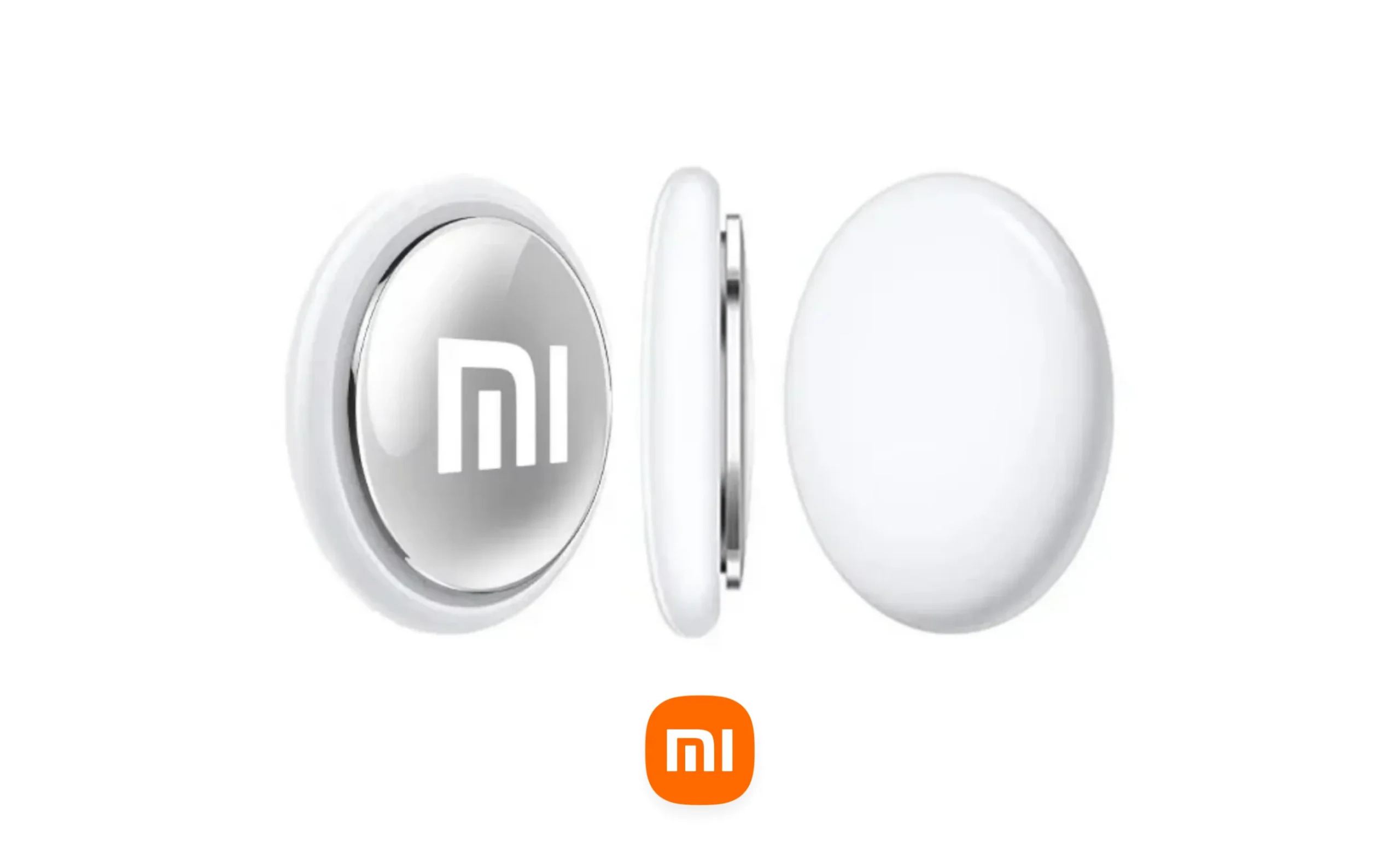
Xiaomi is reportedly preparing to launch a new tracking device called the Xiaomi Tag. This tracker will compete directly with Apple AirTag, but it will focus on Android users. Since Xiaomi holds a strong position in Nepal’s smartphone market, the Xiaomi Tag could quickly gain attention among Nepali consumers looking for an affordable item-tracking solution.
Introduction
The Xiaomi Tag is a compact tracking accessory that helps users locate everyday items such as keys, wallets, backpacks, and luggage. It will likely use Bluetooth and Ultra-Wideband (UWB) technology to provide accurate location tracking. Unlike the AirTag, it is expected to work seamlessly within the Android ecosystem, which makes it more practical for most Nepali users.
Expected Launch Date
Reports indicate that Xiaomi may announce the Tag on December 26, 2025. The launch may occur alongside new smartphones and accessories. Xiaomi usually introduces its ecosystem products in batches, so the Tag is expected to be part of that lineup.
Key Features
1. Ultra-Wideband Precision Tracking
UWB technology offers better accuracy than standard Bluetooth. It helps users pinpoint the exact location of lost items, especially indoors where regular tracking often fails.
2. Support for Google Find My Device Network
It may integrate with Google’s Find My Device network. This system relies on millions of Android devices worldwide to help locate missing items. It allows users to track their belongings even if they are far from their own phone.
3. Budget-Friendly Pricing
Xiaomi usually prices its accessories aggressively. Analysts expect it to launch below the AirTag’s price. In Nepal, the estimated price could fall between NPR 3,000 and NPR 4,000, making it a strong value-for-money option.
Why it Matters for Nepal
Most Nepali consumers use Android smartphones, especially Xiaomi, Samsung, and Realme models. Apple AirTag works best inside the Apple ecosystem, which limits its usefulness for Android users. It could remove this limitation by offering a tracker that works across the wider Android platform.
For Nepali users who travel, commute daily, or frequently misplace items, a reliable tracker can provide peace of mind at a reasonable cost.
Competition in the Item Tracking Market
Brands such as Samsung, Motorola, and Apple already offer item trackers. However, Xiaomi’s wide presence and strong pricing strategy make the Xiaomi Tag a potential winner in South Asia. If the device integrates well with Xiaomi phones and smart home products, it may significantly grow the brand’s ecosystem in Nepal.
Xiaomi Tag vs Apple AirTag: Early Expectations
Here is an early comparison based on available reports:
| Feature | Xiaomi Tag | Apple AirTag |
|---|---|---|
| Platform | Android-focused | Apple-only |
| Technology | Bluetooth + UWB | Bluetooth + UWB |
| Network Support | Google Find My Device | Apple Find My |
| Estimated Price | Lower, budget-friendly | Higher, premium |
| Expected Use Case in Nepal | High, due to Android dominance | Limited, due to fewer iPhone users |
Final Thoughts
The Xiaomi Tag has not been officially confirmed yet, but the early leaks point to a capable and affordable tracker. If Xiaomi delivers features such as UWB precision, Google network support, and competitive pricing, the Xiaomi Tag could become one of the most useful accessories for Nepali users in 2026.
Xiaomi already dominates Nepal’s budget and mid-range smartphone market. With the Xiaomi Tag, the brand may expand its ecosystem even further.
Great information shared.. really enjoyed reading this post thank you author for sharing this post .. appreciated
This adds important depth and supports better strategic understanding.