The global technology industry is entering a critical phase where innovation is accelerating, but supply chains are tightening. The launch of the iQOO 15 Ultra 5G, a smartphone packed with flagship-level hardware, comes at a time when a global memory chip shortage is putting pressure on companies like Apple, while Intel and AMD are warning Chinese customers about CPU delivery delays.
Together, these developments highlight a growing imbalance between demand for advanced hardware and the availability of key semiconductor components.
iQOO 15 Ultra 5G: A New Performance-Focused Flagship
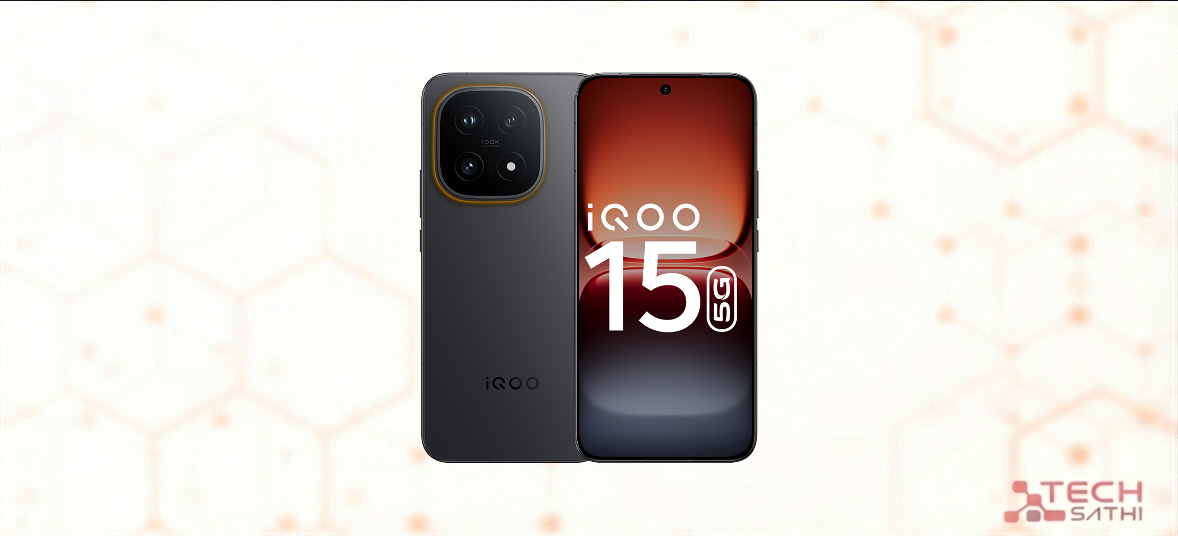
The iQOO 15 Ultra 5G has been introduced as one of the most powerful Android smartphones in its category, targeting gamers and power users who demand sustained performance.
Key highlights include:
- A next-generation flagship Snapdragon processor designed for high efficiency and AI-driven workloads
- A large 2K AMOLED display with a high refresh rate for gaming and media consumption
- Advanced cooling technology to maintain performance during extended use
- High-capacity RAM and ultra-fast storage options aimed at multitasking and heavy applications
- A large battery with fast wired and wireless charging support
- A versatile triple-camera setup focused on both photography and video performance
With these specifications, the iQOO 15 Ultra positions itself as a direct competitor to premium flagship devices from Samsung, Apple, and other Android manufacturers. However, the availability and pricing of such high-end devices are increasingly influenced by global chip supply conditions.
Global Memory Chip Crunch Puts Pressure on Apple and Smartphone Makers
One of the biggest challenges facing the tech industry in 2026 is the ongoing shortage of memory chips, including DRAM and NAND flash. These components are essential for smartphones, laptops, servers, and AI infrastructure.
The shortage is being driven by several factors:
- Rapid growth in AI data centers consuming large volumes of high-performance memory
- Limited expansion of memory fabrication capacity
- Strategic prioritization of enterprise and AI customers over consumer electronics
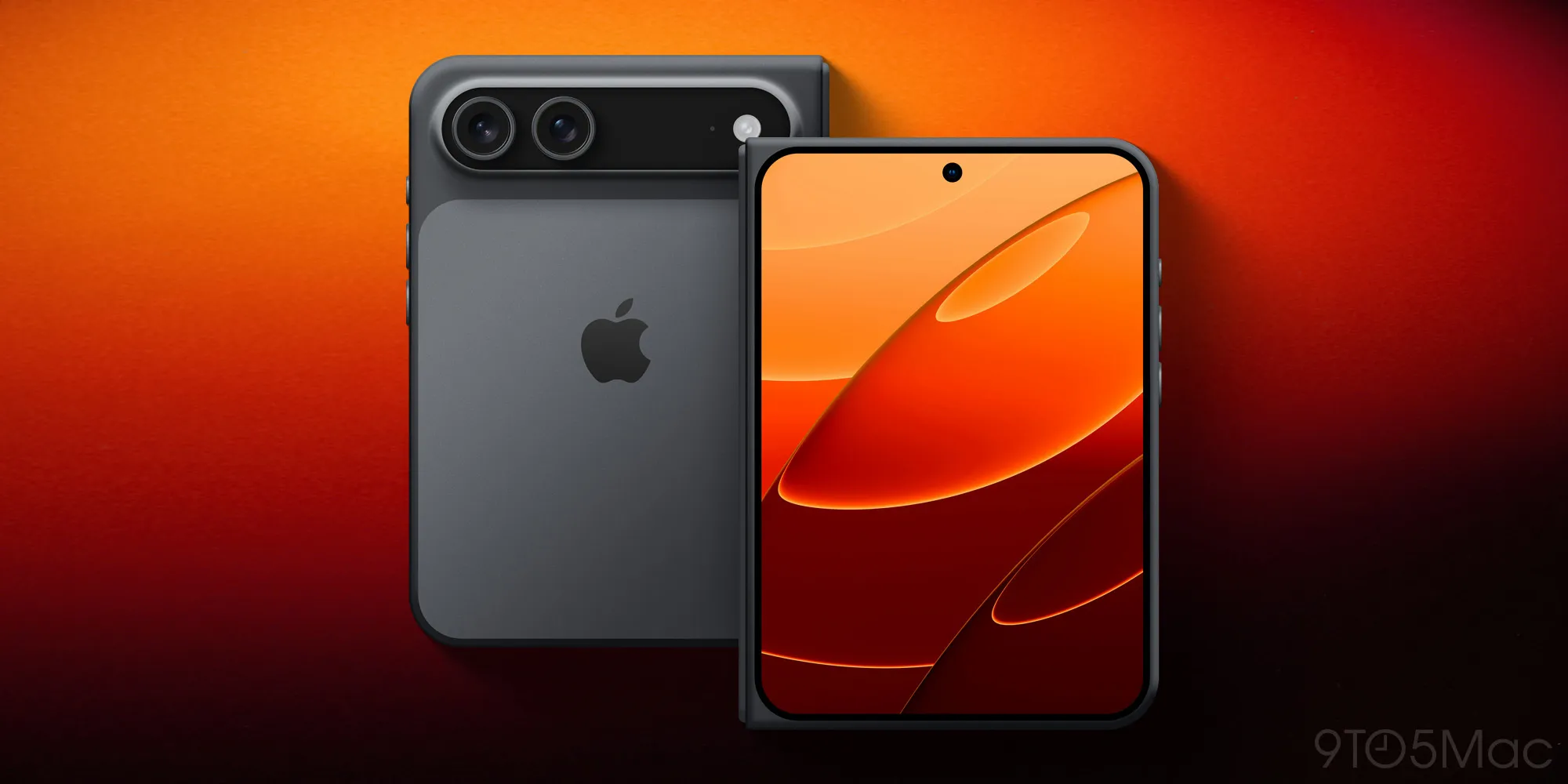
For Apple, this situation creates significant pressure. iPhones rely heavily on advanced memory components, and rising memory prices can directly impact production costs. Apple must decide whether to absorb these higher costs or pass them on to consumers through higher device prices.
Other smartphone manufacturers face similar challenges, especially those launching hardware with large RAM configurations and high-capacity storage, like the iQOO 15 Ultra.
Intel and AMD Warn of CPU Delays in China
The supply constraints are not limited to memory chips. Intel and AMD have reportedly informed customers in China of extended wait times for certain CPU models, particularly server-grade processors.
These delays are largely due to:
- Surging demand for processors used in cloud computing and AI workloads
- Tight coordination between CPUs and scarce memory modules
- Manufacturing limitations at advanced semiconductor nodes
Longer delivery times for CPUs can slow down data center expansion, increase costs for cloud service providers, and indirectly affect consumer services that depend on backend infrastructure.
What This Means for Consumers and the Tech Market
The convergence of flagship device launches and semiconductor shortages has several implications:
- High-end smartphones may see higher prices or limited availability
- Companies may prioritize premium models with higher profit margins
- Consumers could face longer upgrade cycles due to rising costs
- Cloud services and AI platforms may become more expensive over time
While products like the iQOO 15 Ultra 5G showcase how far mobile technology has advanced, the broader industry is being reshaped by supply-side constraints that will influence pricing, availability, and innovation throughout 2026.
iQOO 15 Ultra 5G Specifications
| Specification | Details |
|---|---|
| Display | 6.85-inch 2K LTPO AMOLED |
| Refresh Rate | 144Hz |
| Resolution | 1440 × 3168 pixels |
| Processor | Qualcomm Snapdragon 8 Elite Gen 5 (3nm) |
| GPU | Adreno 840 |
| Operating System | Android 16 |
| UI | OriginOS |
| RAM | 12GB / 16GB / 24GB LPDDR5X |
| Storage | 256GB / 512GB / 1TB UFS 4.1 |
| Rear Camera | Triple 50MP (Wide + Ultra-Wide + Telephoto) with OIS |
| Front Camera | 32MP |
| Video Recording | Up to 8K |
| Battery | 7,400mAh |
| Charging | 100W wired, 40W wireless |
| Cooling System | Ice Dome active cooling with internal fan |
| Connectivity | 5G, Wi-Fi 7, Bluetooth 5.4, NFC, GPS |
| Security | Ultrasonic in-display fingerprint sensor |
| Audio | Stereo speakers |
| Dimensions | Approx. 163.6 × 76.8 × 8.7 mm |
| Weight | Approx. 227 g |
| Special Features | Gaming shoulder triggers, advanced thermal system |
Final Thoughts
The launch of the iQOO 15 Ultra 5G demonstrates that smartphone innovation is moving faster than ever. At the same time, global memory shortages and CPU supply delays from Intel and AMD reveal the fragility of modern semiconductor supply chains.
As demand for AI, cloud computing, and high-performance devices continues to grow, how companies manage these constraints will play a major role in shaping the future of consumer electronics and computing.