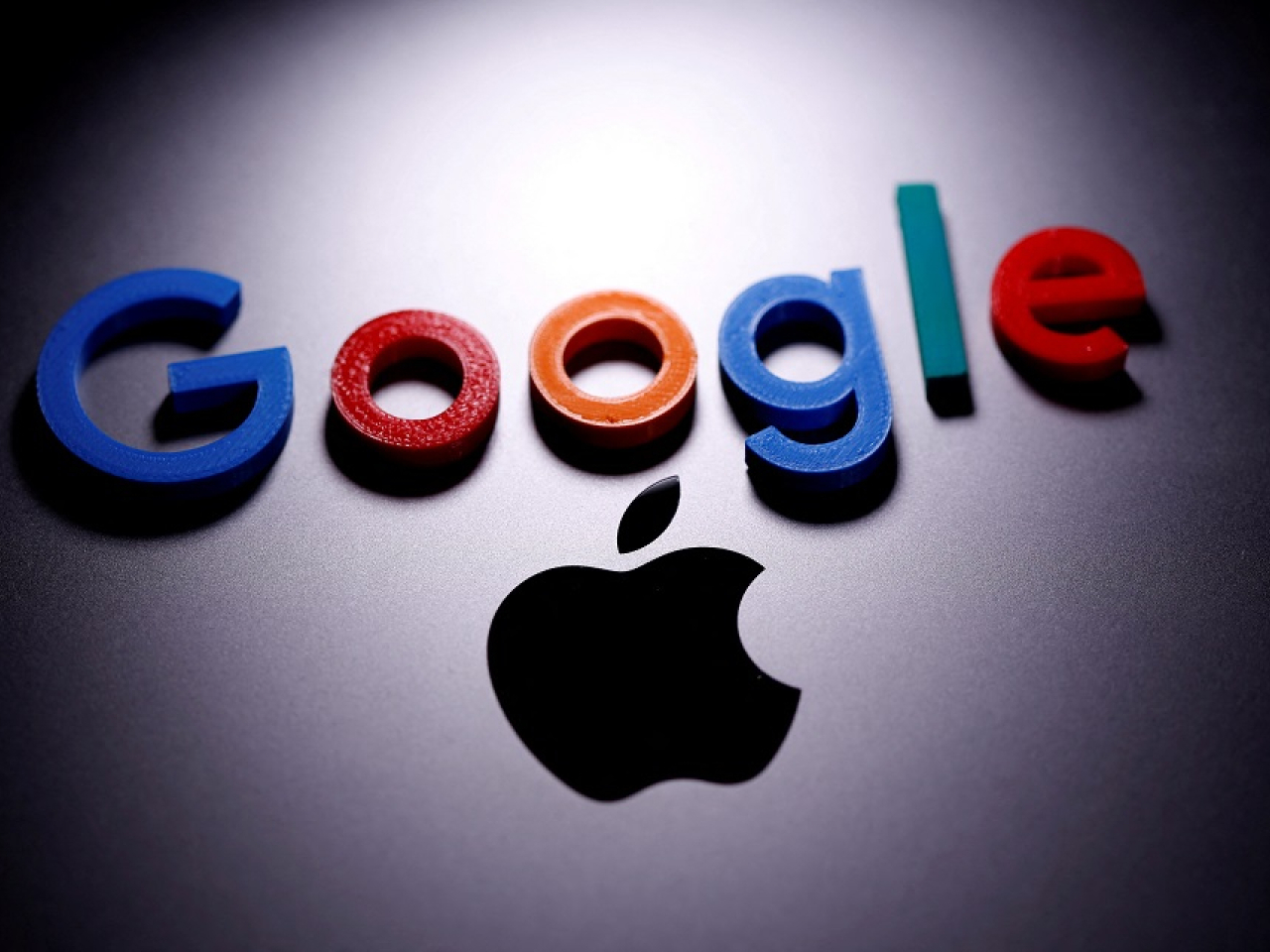
Cupertino, CA — Apple has confirmed that its long-awaited Siri overhaul will launch in 2026 and will run on Google’s AI technology, marking a major shift in the company’s artificial intelligence strategy as Apple uses Google’s AI to modernize Siri.
The decision follows months of speculation and growing criticism that Apple has fallen behind competitors in the AI race.
Apple Confirms Google AI Partnership
Apple said it chose Google after evaluating multiple AI platforms capable of supporting next-generation Siri features.
“After careful evaluation, we determined that Google’s technology provides the most capable foundation for Apple foundation models,” Apple said. “We’re excited about the new experiences this will unlock.”
The company did not disclose financial terms. However, the confirmation makes clear that Apple could not reach its AI goals using internal models alone.
Siri Relaunch Expected in 2026
Apple plans to introduce the revamped Siri during a future Worldwide Developers Conference, with industry analysts pointing to WWDC 2026 as the most likely venue.
The update arrives nearly two years after Apple first announced major AI improvements. During that time, Siri continued to lag behind Google Assistant and Gemini in reasoning, context awareness, and task execution.
Why Apple Chose Google’s Android AI
Google’s Gemini models already power advanced AI features on Android devices. These include real-time assistance, visual recognition, and contextual search.
By adopting Google’s models, Apple gains immediate access to proven AI capabilities. This approach allows Apple to modernize Siri faster than building comparable systems from scratch.
The move mirrors Apple’s long-standing agreement to use Google Search as Safari’s default search engine.
Impact on Apple’s OpenAI Partnership
Apple recently integrated ChatGPT into Siri to handle complex requests. That feature activates when Siri reaches its limits.
A stronger, Google-powered Siri may reduce Apple’s need to rely on ChatGPT. Apple has not said whether the OpenAI partnership will remain central to its AI roadmap.
Android AI Features Could Reach iPhone
The partnership opens the door for Android-style AI tools on iOS. One example is Circle to Search, which lets users instantly search anything displayed on their screen.
Apple already offers visual search through screenshots. However, deeper Google AI integration could expand these features significantly.
Apple Maintains Focus on Privacy
Apple emphasized that using Google’s AI models does not mean sending user data to Google. The company plans to maintain on-device processing and strict privacy controls.
Privacy remains a key pillar of Apple’s AI strategy, even as it adopts third-party technology.
Control of the Interface Remains Apple’s Advantage
Industry analysts note that Apple continues to control the user experience. That control may matter more than owning the AI models themselves.
As long as Siri, iOS, and Apple Intelligence remain tightly integrated, Apple keeps users within its ecosystem.
Conclusion
Apple’s decision to power Siri with Google’s Android AI marks a rare but pragmatic shift for the company. Rather than continuing to lag behind in AI development, Apple has chosen speed, reliability, and proven performance over internal ownership.
If executed well, the partnership could finally make Siri competitive with modern AI assistants and remove one of the key advantages Android devices currently hold. The success of this strategy will become clear in 2026, when Apple delivers what could be the most important Siri update in its history.
For Apple, this move is less about conceding defeat and more about protecting the iPhone’s future in an AI-driven world.